

Why General Contractors Are Rethinking Temporary Enclosures
For years, temporary enclosures were an afterthought.
Something you added when conditions got bad.
A reactive solution. A “just get through it” approach.
But that mindset is starting to change.
The Same Problems Kept Showing Up
The general contractor didn’t think twice about it at first.
Same approach as always:
Build the schedule
Plan around weather
Adjust when needed
Temporary enclosures?
Only when absolutely necessary.
But over time, the same issues kept showing up:
Weather slowing progress
Crews losing efficiency
Safety concerns increasing in poor conditions
Nothing new.
Just recurring problems that never really went away.
And with tighter deadlines and higher expectations…“working around it” wasn’t cutting it anymore.
So he started looking at things differently.
The Issue Wasn’t the Enclosure—It Was the Approach
Because temporary enclosures weren’t the problem.
It was how they were being used.
Reactive. Last-minute. Inconsistent.
Most setups weren’t designed to:
Maintain productivity
Support safety systems
Handle real jobsite conditions over time
They were just there to “help a bit.”
But what if they could do more than that?
What if they could actually control the environment?
Turning Enclosures Into a Jobsite Strategy
That’s where RWES is changing the conversation.
Instead of treating enclosures as a backup plan…
RWES makes them part of the strategy.
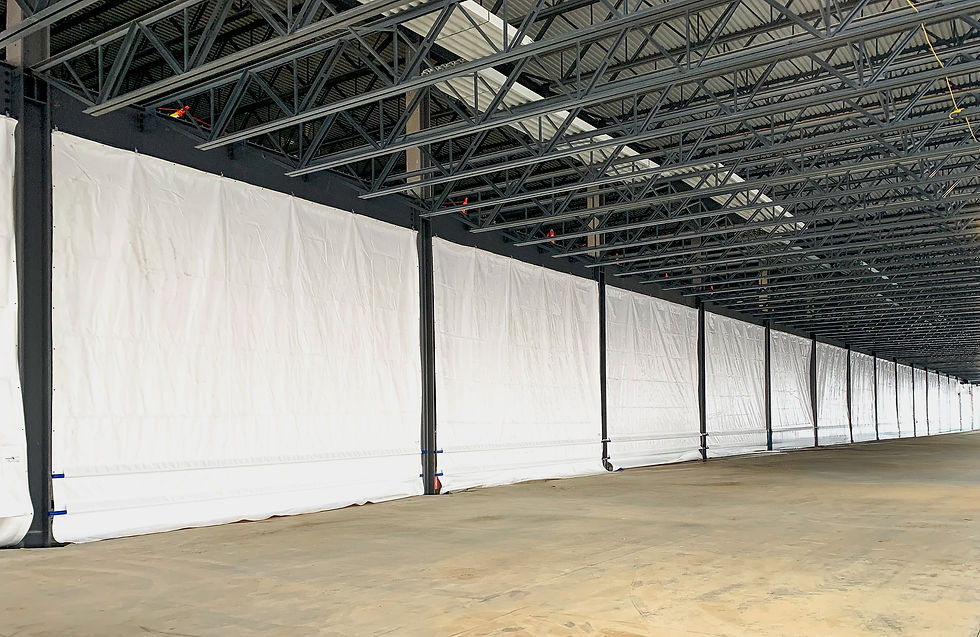
With a Reusable Weather Enclosure System, contractors are creating:
Controlled work environments from day one
Consistent productivity regardless of weather
Safer conditions for crews without constant adjustment
This isn’t about covering part of the job.
It’s about controlling it.
More Control. Fewer Delays. Better Results
The difference is showing up across jobsites.
Fewer delays tied to weather
More predictable schedules
Less pressure to recover lost time
And contractors who adopt this approach early?
They’re not just keeping up.
They’re staying ahead.
Reactive Doesn’t Win Jobs—Strategy Does
Temporary enclosures used to be reactive.
Now they’re becoming strategic.
Because the jobsite is changing —and the contractors who adapt are the ones winning more work.
Want to see how enclosures are shifting from reactive to strategic?
Why controlling conditions keeps schedules on track:
The real impact of weather on your jobsite:
If you’re still treating enclosures as a backup plan, you’re leaving performance on the table.


Comments