

The Hidden Cost of Data Center Construction Delays (And Why They’re So Expensive)

Updated: Apr 23

The Job Wasn’t Behind… Yet
The job wasn’t behind.Not technically.
But if you’ve been on a data center build before… you know the feeling.
Things start slowing down just enough to make you uncomfortable.
Not a full stop.Not a shutdown.Just enough friction to know:
👉 If this keeps going… we’re going to have a problem.
Because this isn’t a typical construction project.
This is a deadline that doesn’t move.
Everything Was Planned Right… Until It Wasn’t
The project manager had done everything right.
Schedule was tight (of course it was).Trades were coordinated.Deliverables were mapped down to the day.
This was a mission-critical build.No surprises. No excuses.
At least… that was the plan.
Then reality showed up.
Weather slowed certain phases
Crews adjusted instead of executing
Work kept moving… just not consistently
Nothing dramatic.
Just enough to start chipping away at momentum.
And in a data center project?
👉 Momentum is everything.
Pressure Builds Quietly… Then All at Once
At first, it’s manageable.
“Just a slow day.”“We’ll make it up.”
(We’ve all said it.)
But then it happens again.And again.
Now you’re not just managing work — you’re managing pressure:
Commissioning timelines getting tighter
Trades stacking up behind each other
Leadership asking “Are we still on track?”
And the honest answer?
👉 “We are… but it’s getting tight.”
Why Data Center Delays Hit Harder
Here’s the truth most people don’t say out loud:
Data center delays don’t behave like normal construction delays.
They hit harder.They ripple faster.And they get expensive… quickly.
What delays actually cost:
Crews waiting instead of working
Equipment sitting idle (still costing money)
Trades getting out of sync
Commissioning timelines getting squeezed
And when commissioning gets squeezed?
👉 Everything gets stressful.
The Real Problem (And It’s Not What You Think)
Most people assume delays come from:
Labor
Planning
Coordination
And sure — sometimes they do.
But more often?
👉 It’s the environment.
Weather exposure
Inconsistent working conditions
Crews constantly adapting instead of executing
All the things that don’t show up in the schedule…
But show up every single day on the jobsite.
Where RWES Fits In
This is where RWES comes in.
We’re just here to remove the friction.
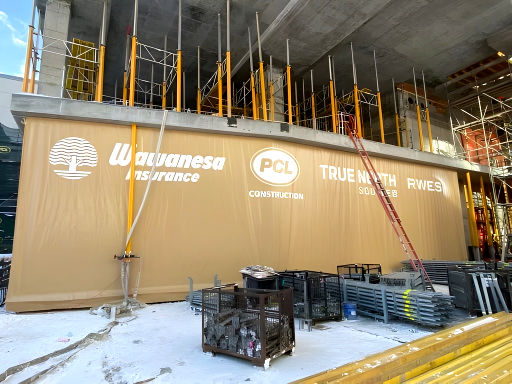
With a Reusable Weather Enclosure System, you get:
Controlled working conditions
Protection from weather and environmental exposure
Consistent productivity across the job
No more stop-and-go.No more hoping conditions cooperate.
👉 Just a jobsite that behaves the way it was planned.
What Happens When You Remove the Friction
The difference shows up fast.
Crews stay productive
Work flows consistently
Schedules stop slipping in small ways
And most importantly?
👉 Commissioning stays on track.
(No one wants to be the reason that gets delayed.)
The Bigger Lesson
Data center projects don’t fall behind all at once.
They fall behind in pieces.
Small slowdowns
Small adjustments
Small inefficiencies
Until they’re not small anymore.
The teams that stay on schedule?
They’re not just working harder.
👉 They’re working in environments that support the work.
Related Reads
If you’re seeing these types of slowdowns, you’ll want to look at:
👉 Weather risks in data center builds:
https://www.rwesglobal.com/weather-risk-data-center-construction
👉 How to keep projects on schedule:
https://www.rwesglobal.com/data-center-construction-schedule-control
👉 Environmental exposure impact:
https://www.rwesglobal.com/data-center-environmental-exposure-impact
If your project depends on perfect conditions…
You’re taking on unnecessary risk.
Many of these challenges are also seen in large-scale data center construction projects, where maintaining consistent jobsite conditions is critical.


Comments